Diploma of Higher Education in Theology

The Diploma of Higher Education in Theology (DipHE) offers a deep foundation for those wanting to grow in their faith, wrestle with questions, or step into career paths including ministry, religious education, and third sector work. The DipHE can count as credit towards the BA (Hons) in Theology, giving you maximum flexibility in your educational journey. With full-time and flexible part-time routes available, the DipHE can be studied over two years full-time or three to eight years part-time.

Length of Study

2 years (Full Time) / 4 years (Part Time)

University of Manchester

September 2026

On-campus or Online

£ 9,275 per year of study (Full-time, UK)

 £9,883 per year of study (Full-time, Non-UK)

Part-time options are priced pro rata.

On this course, you can choose to take the one of our 3 pathways: Youth and CommunityBiblical Studies, or Practical Theology. The Youth and Community and Practical Theology pathways have a placement experience in the 2nd year. Those who pick these pathway will be studying alongside BA (Hons) students which provides an intentional depth of learning and engagement.

We are an approved partner of The University of Manchester, delivering programmes that we developed, approved by and leading to an award of the University of Manchester.

Methods of Assessment 

We try to include a wide variety of assessment methods throughout our programmes. Types of formative (non-credit bearing) assessment include individual tutorials, on-site visits, group discussions, written and oral feedback on essays. Our Summative (credit-bearing) assessments include research essays, case studies, group projects, individual projects, placement assessment (portfolios, reflections), book reviews, and a limited number of module examinations.

Employment Outcomes 

Graduates with The DipHE in Theology serve in all kinds of ways – from planting churches to homeless ministries, supporting asylum seekers to teaching RE in schools, leading in churches to banking, people with diplomas are equipped to be engaged, throughtful Christians. From this foundation avenues are opened that enable people to be employed in all kinds of settings.

Teaching and Learning Methods 

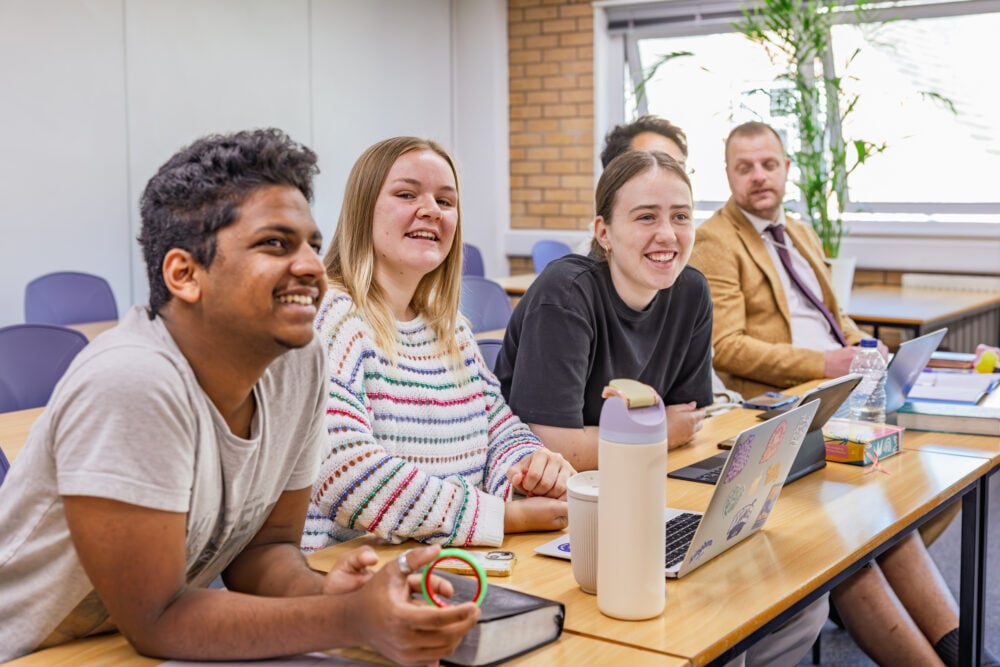
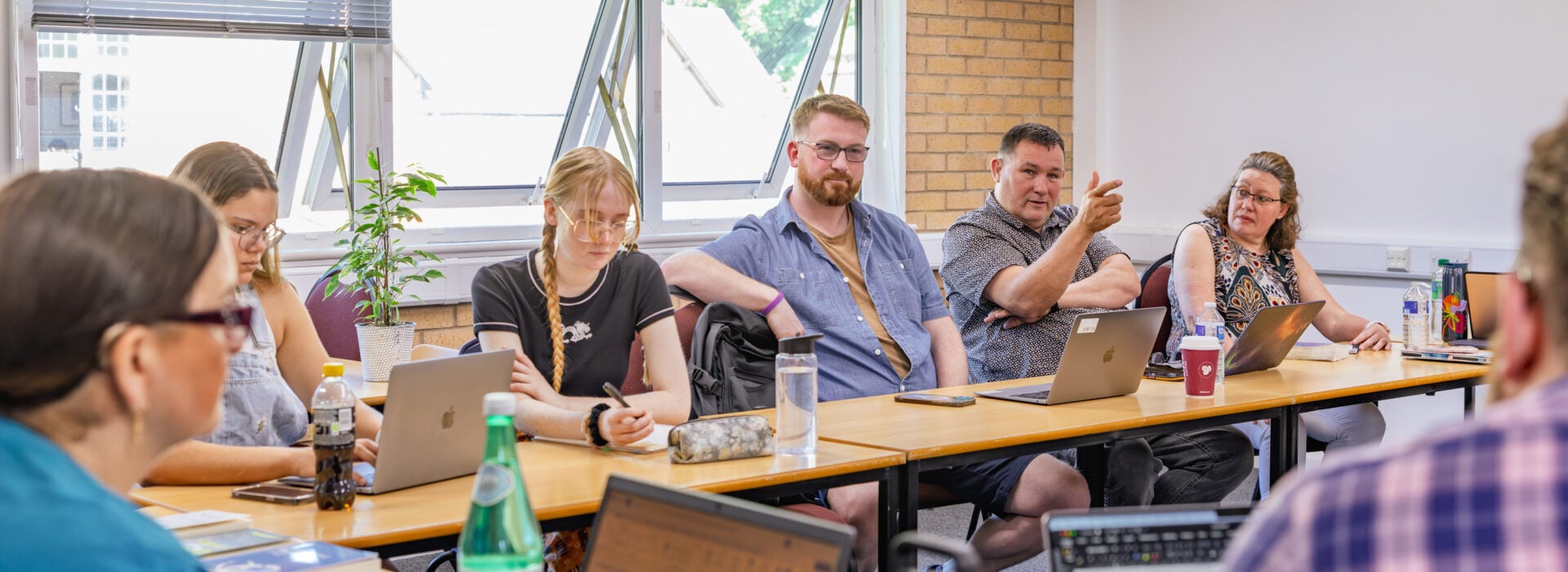
NTC offers small class sizes, with classes ranging from 5 to 35 students. Most classes run in a weekly format, and are complemented by intensive sessions throughout the year. Teaching methods include lectures, seminars and class discussions, oral presentations, group work, individual tutorials, directed reading, case studies, individual supervision, and student-led seminars.

Students will receive a minimum of 240 credits while on this course.


Our DipHE programmes are identical to those of the first and second years in the BA (Hons) in Theology. This alignment extends across all our DipHE pathways, including Biblical StudiesPractical Theology, and Youth and Community. DipHE classes map exactly on to the first and second year classes for the BA (Hons) in Theology.

Biblical Studies Pathway

In this pathway, you’ll take more classes in specific books and genres of the Bible like OT Prophets, Psalms, and Paul’s Letters. You can opt to dive even deeper by taking Greek and/or Hebrew. There is no placement on this pathway. Details about required classes can be found at this link.

Practical Theology Pathway

Pursue additional practical theology classes in this pathway, fostering deep theological reflection within practical contexts. In the second year of this pathway, students will blend their academic studies with a practical placement. A diverse array of placement settings awaits, spanning from community projects to churches, chaplaincy to night-shelters, and missions to compassionate ministries.

This placement is credit-bearing and contributes to the final degree. Students commit a minimum of 10 hours weekly to their placement, including 2 hours for preparing placement-related assessments, reports, administration, and tutorials with the Practice Tutor. Typically, the placement extends over 20 weeks, evenly distributed across the second year of study (10 weeks in each semester).

Details about required classes and placement information can be found at this link.

Youth & Community Pathway

Our Youth and Community pathway is your lens into the intricate fabric of society, with a strong focus on social justice, mission, and understanding people. Past students have embarked on transformative placements in schools, youth centers, community projects, and beyond. Here’s what you can expect:

In your second year, you’ll embark on a main placement. If you’re looking for a different context, we offer an optional alternative placement. Both placements come with robust support from our dedicated Placement Managers. They’ll assist you in identifying and arranging your placement settings, ensuring a smooth and valuable experience throughout. What’s more, both placements carry credits that contribute to your final degree.

For those pursuing part-time routes, we tailor discussions to your unique needs.

Our placement options are diverse, catering to a wide range of interests and career paths. You might find yourself in community projects, churches, schools, youth centers, or engaged in detached youth work. We also offer opportunities in arts-based projects that create a nurturing and enriching learning environment.

Details about required classes can be found at this link.

 
  • Four passes at a grade C or above in GCSE subjects or equivalent
  • If English is not your native language, you may be required to submit an English competency score through IELTS, TOEFL, or other equivalent exams. Undergraduate students need a minimum IELTS score of 6.0 or equivalent.

If you don’t have the credentials for traditional entry, we can work with you. Please contact [email protected] for more details.

Scroll to Top